Talking to the Robots Who Read Your Content
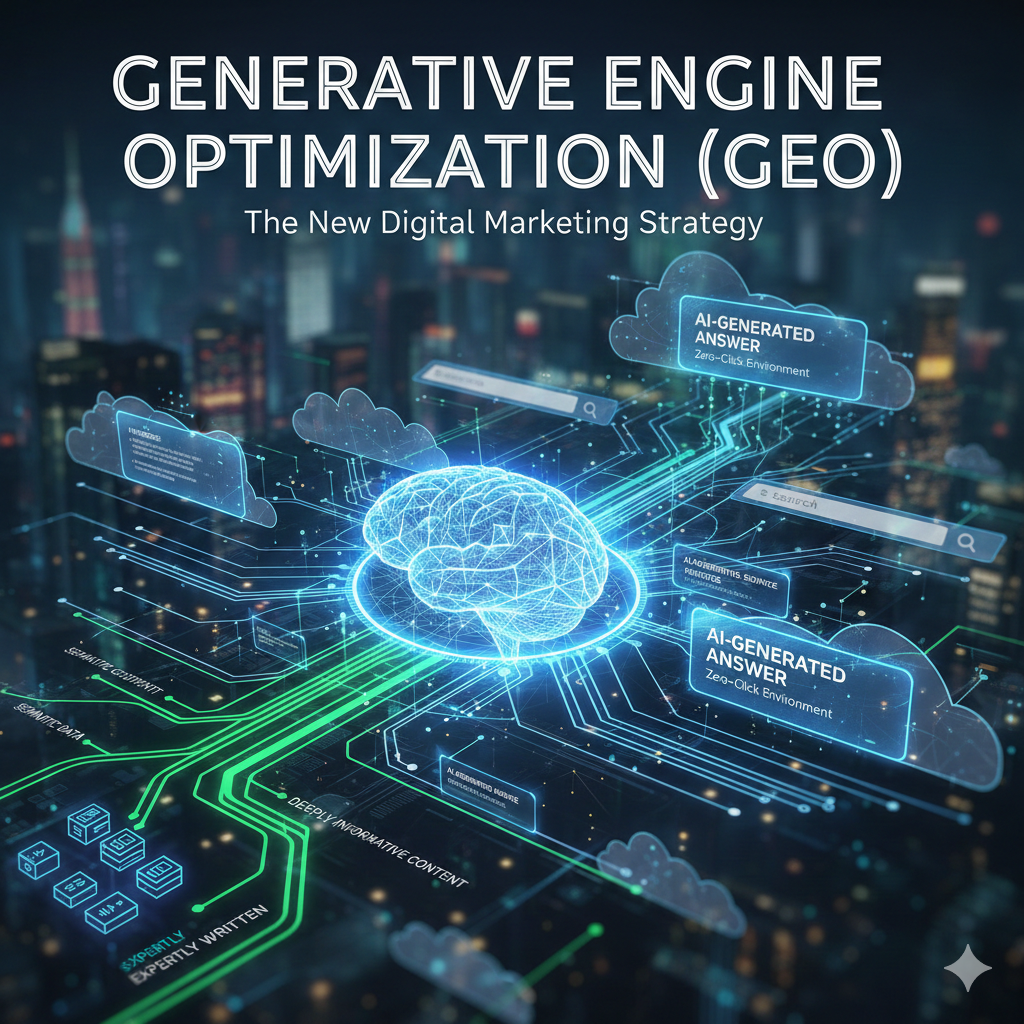
If you’ve been in digital marketing for a while, you know the drill: figure out the right keywords, build some good links, and aim for the top spot on Google. That was the game of SEO, and it worked well enough for years. But the internet is changing, and the search engines are changing along with it. We’re moving into a new era powered by artificial intelligence, and that means we need a new strategy called Generative Engine Optimization, or GEO.
Think about how search works now. Instead of just seeing a list of ten blue links, you often get a perfect, summarized answer right at the top of the page. This is the generative AI at work. People get their answer immediately, which means they often don’t click on any websites. This is the “zero-click” reality, and it’s why just being number one isn’t enough anymore. GEO is all about making sure that when the AI creates that perfect summary, it’s using your information and citing your brand as the source.
The most crucial part of GEO is creating content that is genuinely high-quality, deeply helpful, and absolutely trustworthy. You can’t get away with just writing 500 words stuffed with keywords. The AI models are smart enough to spot content that’s thin or generic. They prioritize sources that act like true experts.
Let’s look at a quick example. Say you run a software company and you want to rank for “best project management software.” The old SEO way was to write a quick listicle comparing features. The GEO way is different. You need to write a detailed, authoritative guide titled something like, “How to Migrate from Trello to our Project Management System in 5 Steps: A Full Tutorial.” This kind of content shows a deep level of experience and gives the AI specific, actionable steps it can extract and summarize.
In practice, a GEO-friendly article needs to be structured like a good conversation. You should lead with a very clear, short summary—the main takeaway—before diving into the details. Use plenty of clear headings so the AI can quickly skim and understand the different parts of your argument. If you’re stating a fact or sharing a statistic, make sure you link to the original research. This isn’t just good practice; it acts as a credibility signal to the AI that your information is reliable and grounded in evidence.
Another key piece of the GEO puzzle is thinking about how people actually talk. Instead of only optimizing for short keywords like “small business tax,” start answering full, conversational questions like, “What are the common tax deductions for a freelance graphic designer?” When your content directly answers those specific, detailed questions, it’s much more likely to be featured in the AI’s generated answer.
You can’t ignore traditional SEO, but you must build upon it. The AI still trusts websites that have a good reputation and solid technical foundations. GEO is simply the next step: applying a laser focus to how your high-quality content is consumed, interpreted, and shared by the generative engines themselves. By focusing on being the source of truth, not just a link in a list, you ensure your brand stays visible and influential in this fast-moving digital world.