
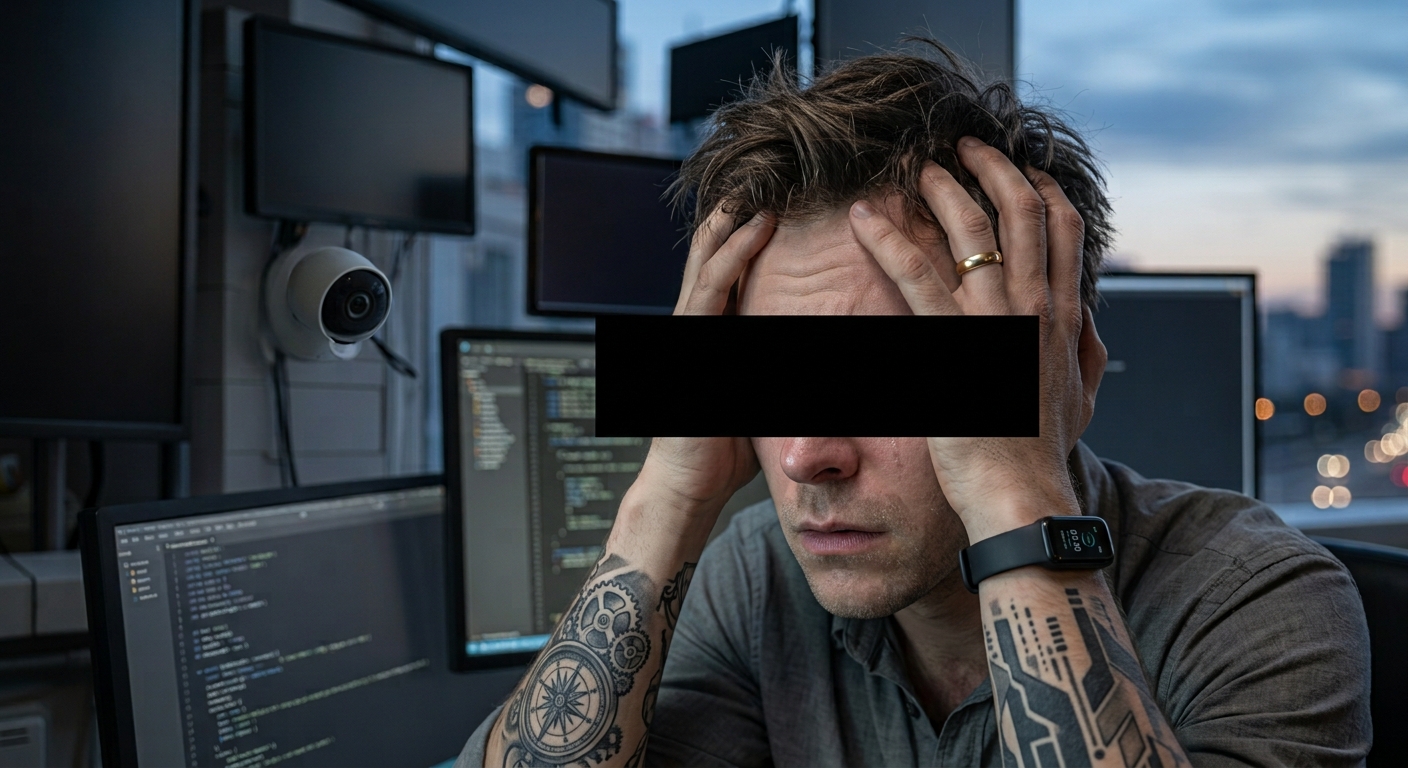
Tech marketers want you to believe 2026 is the year you hand over the keys to your digital life. They expect you to live strapped inside a spatial computing headset, hand off your daily decisions to swarms of autonomous AI, and rent every single byte of software you touch through perpetual cloud leases.
Spend five minutes on any social media platform, and you’ll see a radically different story.
On reddit.com between r/technology, r/Frugal, and r/selfhosted, the overarching mood isn’t excitement—it’s profound cognitive burnout. A cross-subreddit analysis of nearly 10,000 discussions shows a massive shift away from recurring SaaS stacks, which quietly bleed independent creators $100 to $300 a month before they ever turn a profit. Meanwhile, over 54% of consumers report active “AI fatigue,” completely exhausted by hallucinatory, non-optional features shoved into tools that worked fine last year.
This is the Great Digital De-escalation: the massive gap between what silicon valley pushes and what human beings actually need to function.
What People Want vs. Actually Need
- 1. Autonomous AI Agents vs. Software That Just Works
- The Push: Swarms of AI agents running your life without intervention.
- The Need: Deterministic software that doesn’t hallucinate, break workflows, or demand constant babysitting.
- 2. Infinite Subscriptions vs. Real Ownership
- The Push: Cloud-tethered leases on software, media, and file storage.
- The Need: One-time purchases, local-first files, and an end to recurring subscription drain.
- 3. Hyper-Connected Smart Homes vs. Dumb Appliances
- The Push: Cloud-dependent fridges and lightbulbs gathering telemetry and begging for updates.
- The Need: Simple appliances with physical switches that work off-grid forever.
- 4. Annual Hardware Upgrades vs. Modular Right-to-Repair
- The Push: Buying a new glass rectangle every twelve months to run bloated OS updates.
- The Need: Swappable parts, multi-year battery lifespans, and software that respects aging hardware.
- 5. Algorithmic Dopamine Feeds vs. Cognitive Downtime
- The Push: Hyper-targeted, predictive feeds engineered to maximize screentime.
- The Need: Low-spend guardrails, opt-out algorithms, and pure ad-free silence.
- 6. Frictionless Micro-Consumption vs. Intentional Delays
- The Push: One-click impulse buys arriving at your door in two hours.
- The Need: Strategic financial friction and the mental space to plan purchases intentionally.
- 7. Spatial Computing vs. Offline “Third Places”
- The Push: Wearing goggles all day to blend your living room with a virtual feed.
- The Need: Tactile, physical community spaces where you can look people in the eye without a screen.
- 8. Cloud Life-Tracking vs. Zero-Telemetry Privacy
- The Push: Uploading health stats, personal notes, and identity documents to third-party servers.
- The Need: Offline-first, encrypted local vaults that keep your sensitive data in your hands.
- 9. 24/7 Automated Productivity vs. Unstructured Boredom
- The Push: Algorithmic task managers optimizing every single waking minute.
- The Need: Analog paper, quiet reflection, and letting your brain actually rest.
- 10. High-Yield FinTech Bots vs. Boring Cash Liquidity
- The Push: Micro-investing algorithms, high-frequency apps, and complex crypto-staking.
- The Need: Simple savings fundamentals, liquid cash reserves, and resilient anti-fragility.
The Blueprint for Builders in 2026
If you want to build something people actually love, stop copying big tech’s playbook. Focus on what burnt-out users are begging for:
- Build local-first: Give users offline capability and control over their own data.
- Offer perpetual licenses: Stand out from the SaaS noise by letting people buy software outright.
- Ditch the AI fluff: Only add generative features if they solve a real, broken problem.
- Design for silence: Make tools that get out of the way, respect human attention, and protect privacy by default.
People don’t want to rent their tools or exist as data points for an algorithm. They just want their digital lives back.