

You need a way to tell whether the money going into marketing is coming back as cash. Most executives I talk to are smart people. They aren’t confused by data. They’re confused by a reporting format built for specialists.
You need a way to tell whether the money going into marketing is coming back as cash. Most executives I talk to are smart people. They aren’t confused by data. They’re confused by a reporting format built for specialists.
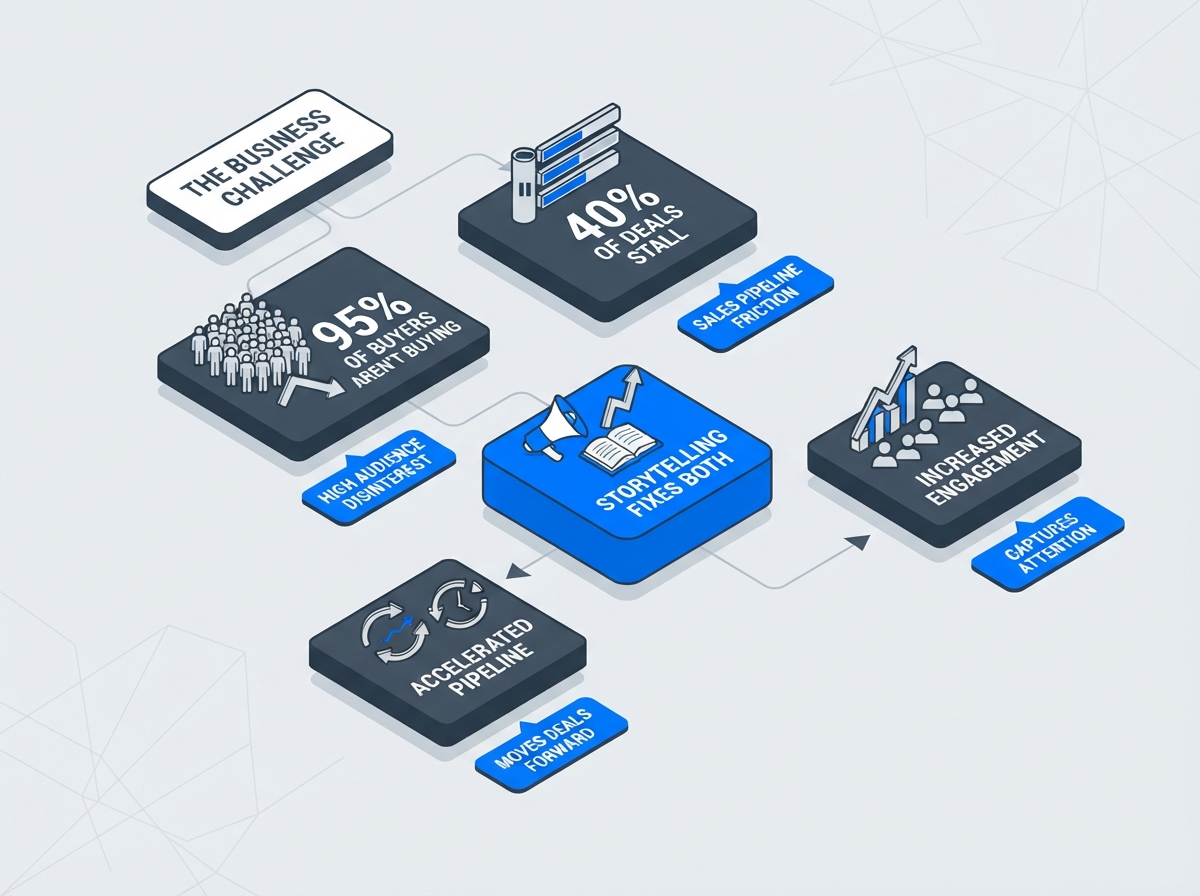
Let’s get one thing out of the way. If “brand storytelling” makes you think of a founder’s 14-line post about a hard Tuesday, I get why you roll your eyes. That stuff gives the whole idea a bad name. It’s also not what I’m talking about.
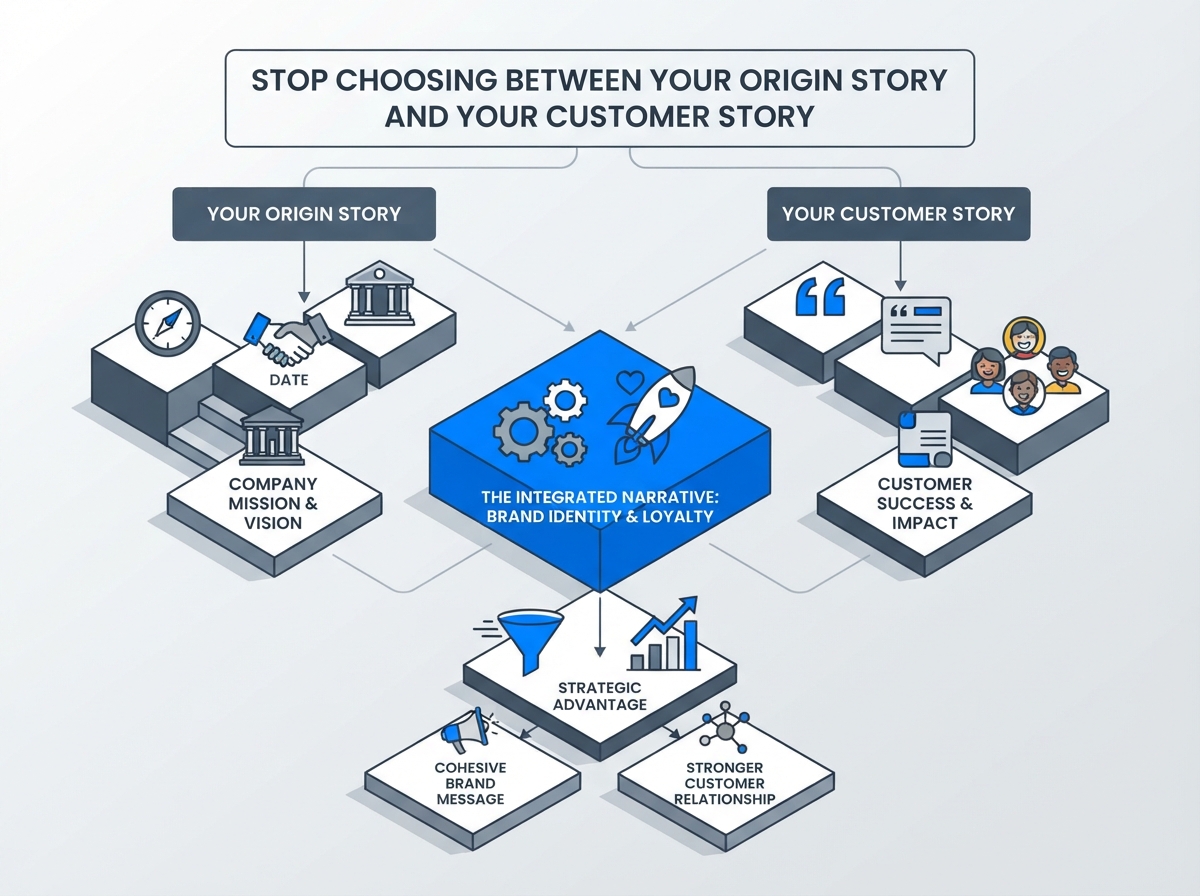
The first is the founder confession. The second is the customer case study. Both are everywhere and ignored. The argument over which one to run misses the point.

Deploying autonomous AI agents in marketing often leads to context loss, broken handoffs, and conflicting customer messaging due to poor orchestration. Despite high enterprise adoption, many implementations face cancellation from soaring costs and weak governance. Uncoordinated agents frequently operate without unified data or necessary human oversight.
To prevent failure, organizations must unify their data layers before deployment and establish structured governance frameworks. Combining deterministic rules for high-risk tasks like budget allocations with tiered human oversight significantly reduces risk incidents, prevents agent sprawl, and ensures multi-agent marketing systems deliver measurable value.

The Secret to Finding Customers Who Are Already Looking for You Imagine throwing an expensive party, locking all the doors,…

Stop guessing what your customers want, ask them! Personas stop the guesswork, align sales and marketing, and ensure every dollar spent targets the people most likely to buy, turning vague audiences into actionable buyers.
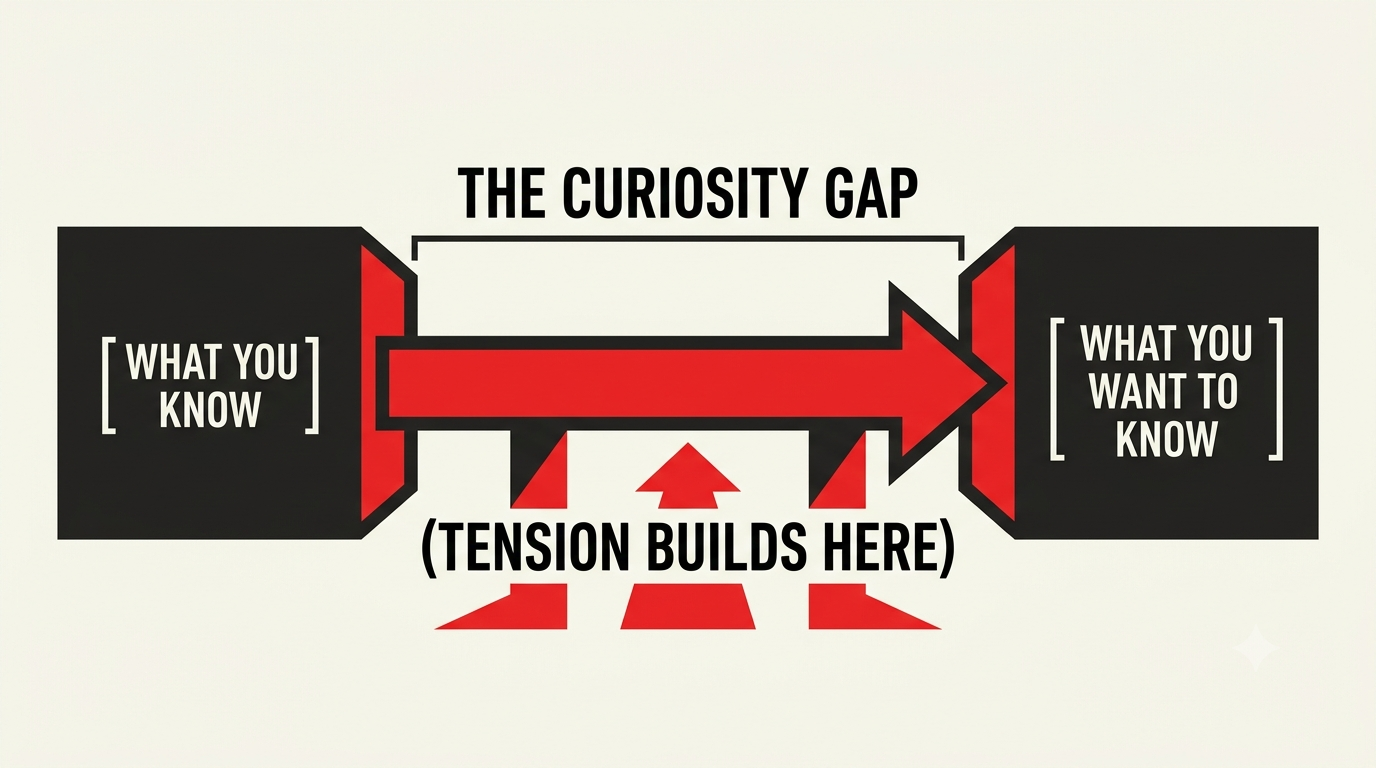
We don’t lose interest because content is long; we lose interest because we run out of questions. This article explores the curiosity gap, the psychological void between what we know and what we want to know. Learn how to master the attention formula by building tension, delaying reveals, and delivering payoffs that keep your audience hooked.